Elegir la bombona de gas adecuada puede resultar abrumador con tantas opciones en el mercado. Pero si aciertas, ahorrarás dinero, tiempo y muchos problemas. Aquí tienes un marco sencillo para ayudarte a optimizar tu elección, utilizando un Cilindro compuesto de GLP de 24,5 L como ejemplo.
1️⃣ Peso: Menos peso significa más fácil
Los cilindros de acero tradicionales son pesados y difíciles de mover. Los cilindros compuestos lo cambian todo: un revestimiento de HDPE con bobinado completo de fibra de vidrio reduce el peso de un cilindro de 24,5 L a tan solo 5,62 kg. Esto supone una gran diferencia en cuanto a transporte, instalación y manipulación diaria.
2️⃣ Talla: El ajuste importa
Un cilindro que no cabe en el espacio disponible es un problema. El modelo de 24,5 litros mide 321 mm de diámetro y 570 mm de longitud, lo suficientemente compacto como para integrarse en vehículos, equipos o áreas de almacenamiento reducidas sin desperdiciar espacio.
3️⃣ Material: Seguridad + Durabilidad
Busque revestimientos resistentes a la corrosión y bobinados de alta resistencia. La construcción compuesta de HDPE y fibra de vidrio ofrece ambas características: un rendimiento ligero sin comprometer la seguridad ante la presión.
4️⃣ Certificación: El cumplimiento es innegociable.
¿Vende o utiliza cilindros en mercados regulados? La certificación es su requisito indispensable. Opciones como EN 12245 o ISO 11119-3 le permiten adaptar la norma a su mercado objetivo y evitar complicaciones de cumplimiento.
5️⃣ Aplicación: Haga coincidir el cilindro con el trabajo.
Camping, suministro portátil industrial, sistemas de GLP para vehículos: cada caso de uso requiere especificaciones diferentes. Primero, defina su aplicación y luego elija la capacidad, el peso y las conexiones adecuadas.
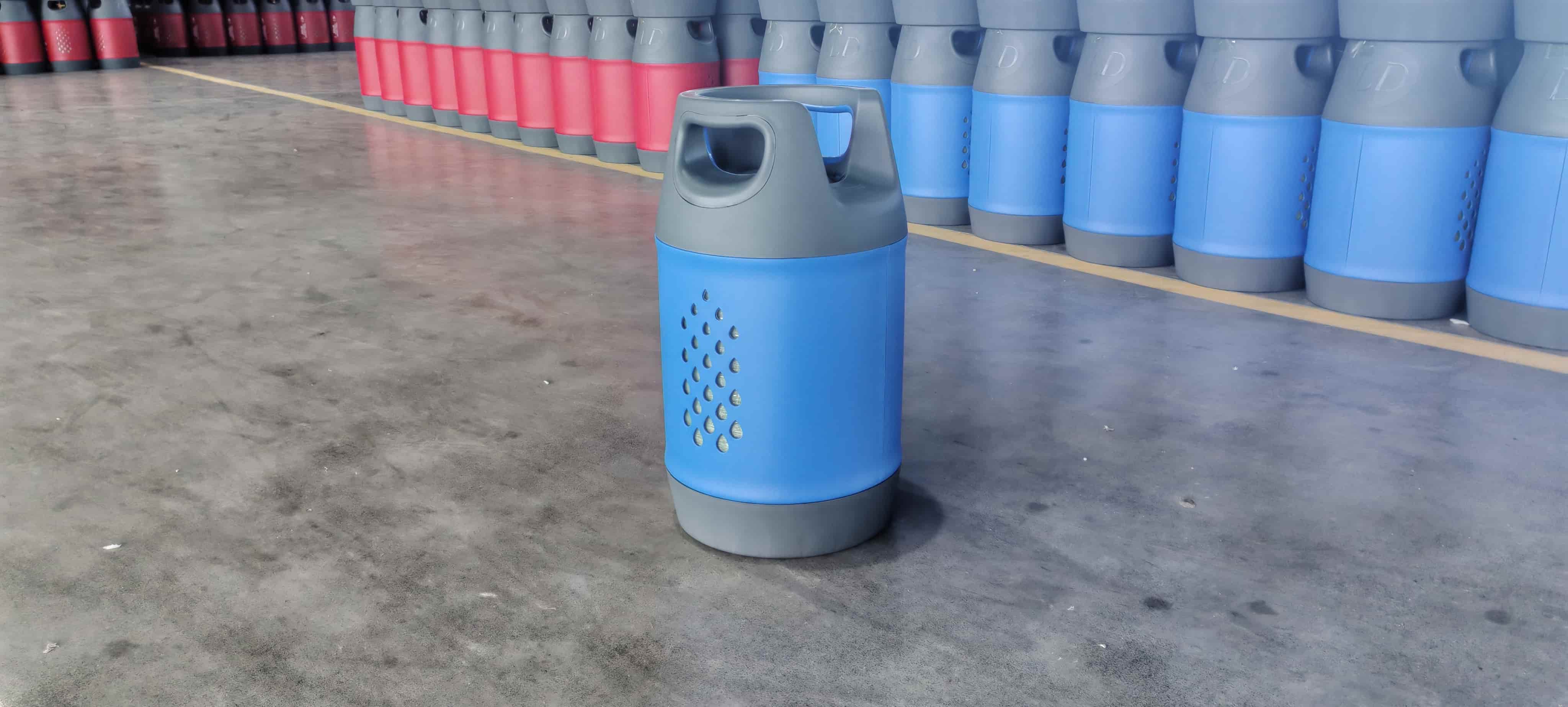
En resumen
El mejor cilindro no es el más caro, sino el que equilibra peso, tamaño, material, certificación y aplicación según sus necesidades específicas.
¿Le interesa el cilindro compuesto de GLP de 24,5 litros? Contáctenos para obtener especificaciones, precios o muestras; estaremos encantados de ayudarle a encontrar el que mejor se adapte a sus necesidades.


 Idioma
:
Idioma
: English
 français
 español




 Red IPv6 compatible